





we accept
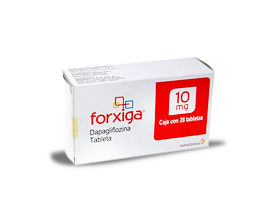
Forxiga
DAPAGLIFLOZIN TABLETS are indicated:
- Availability: In Stock (119 packs)
- Active Ingredient: dapagliflozin
| Package | Per Pill | Savings | Per Pack | Order |
|---|---|---|---|---|
| 14 pills | $77.88 | |||
| 28 pills | $5.04 | $14.51 | $155.76 $141.25 | |
| 42 pills | $4.87 | $29.06 | $233.64 $204.58 | |
| 56 pills | $4.78 | $43.59 | $311.52 $267.93 | |
| 70 pills | $4.73 | $58.12 | $389.40 $331.28 | |
| 84 pills | $4.70 | $72.65 | $467.28 $394.63 | |
| 98 pills | $4.67 | $87.20 | $545.16 $457.96 |
| Package | Per Pill | Savings | Per Pack | Order |
|---|---|---|---|---|
| 14 pills | $81.81 | |||
| 28 pills | $5.30 | $15.28 | $163.62 $148.34 | |
| 42 pills | $5.12 | $30.57 | $245.43 $214.86 | |
| 56 pills | $5.03 | $45.84 | $327.24 $281.40 | |
| 70 pills | $4.97 | $61.12 | $409.05 $347.93 | |
| 84 pills | $4.93 | $76.39 | $490.86 $414.47 | |
| 98 pills | $4.91 | $91.67 | $572.67 $481.00 |
Forxiga (Dapagliflozin)
1 INDICATIONS AND USAGE
DAPAGLIFLOZIN TABLETS are indicated:
- •To reduce the risk of sustained eGFR decline, end-stage kidney disease, cardiovascular (CV) death, and hospitalization for heart failure in adults with chronic kidney disease at risk of progression.
- •To reduce the risk of CV death, hospitalization for heart failure, and urgent heart failure visit in adults with heart failure.
- •To reduce the risk of hospitalization for heart failure in adults with type 2 diabetes mellitus and either established CV disease or multiple CV risk factors.
- •As an adjunct to diet and exercise to improve glycemic control in adults and pediatric patients aged 10 years and older with type 2 diabetes mellitus.
Limitations of Use
- •DAPAGLIFLOZIN TABLETS are not recommended for use to improve glycemic control in patients with type 1 diabetes mellitus [see Warnings and Precautions (5.1)].
- •DAPAGLIFLOZIN TABLETS are not recommended for use to improve glycemic control in patients with type 2 diabetes mellitus with an eGFR less than 45 mL/min/1.73 m2. DAPAGLIFLOZIN TABLETS are likely to be ineffective in this setting based upon its mechanism of action.
- •DAPAGLIFLOZIN TABLETS are not recommended for the treatment of chronic kidney disease in patients with polycystic kidney disease or patients requiring or with a recent history of immunosuppressive therapy for kidney disease. DAPAGLIFLOZIN TABLETS are not expected to be effective in these populations.
DAPAGLIFLOZIN TABLETS, a sodium-glucose cotransporter 2 (SGLT2) inhibitor, are indicated:
- •To reduce the risk of sustained eGFR decline, end stage kidney disease, cardiovascular (CV) death, and hospitalization for heart failure in adults with chronic kidney disease at risk of progression. (1)
- •To reduce the risk of CV death, hospitalization for heart failure, and urgent heart failure visit in adults with heart failure. (1)
- •To reduce the risk of hospitalization for heart failure in adults with type 2 diabetes mellitus and either established CV disease or multiple CV risk factors. (1)
- •As an adjunct to diet and exercise to improve glycemic control in adults and pediatric patients aged 10 years and older with type 2 diabetes mellitus. (1)
Limitations of use:
- •Not recommended for use to improve glycemic control in patients with type 1 diabetes mellitus. (1)
- •Not recommended for use to improve glycemic control in patients with type 2 diabetes mellitus with an eGFR less than 45 mL/min/1.73 m2. DAPAGLIFLOZIN TABLETS are likely to be ineffective in this setting based upon its mechanism of action. (1)
- •Not recommended for the treatment of chronic kidney disease in patients with polycystic kidney disease or patients requiring or with a recent history of immunosuppressive therapy for the treatment of kidney disease. DAPAGLIFLOZIN TABLETS are not expected to be effective in these populations. (1)
2 DOSAGE AND ADMINISTRATION
- •Assess renal function prior to initiation and then as clinically indicated. Assess volume status and correct volume depletion before initiating. (2.1)
- •To improve glycemic control, the recommended starting dosage is 5 mg orally once daily. Dosage can be increased to 10 mg orally once daily for additional glycemic control. (2.2)
- •For all other indications, the recommended dosage is 10 mg orally once daily. (2.3)
- •See full prescribing information for dosage recommendations in patients with renal impairment. (2.2, 2.3)
- •Withhold DAPAGLIFLOZIN TABLETS for at least 3 days, if possible, prior to surgery or procedures associated with prolonged fasting. (2.4)
2.1 Testing Prior to Initiation of DAPAGLIFLOZIN TABLETS
- •Assess renal function prior to initiation of DAPAGLIFLOZIN TABLETS and then as clinically indicated [see Warnings and Precautions (5.2) ].
- •Assess volume status. In patients with volume depletion, correct this condition before initiating DAPAGLIFLOZIN TABLETS [see Warnings and Precautions (5.2) and Use in Specific Populations (8.5, 8.6)].
2.2 Recommended Dosage for Glycemic Control in Adults and Pediatric Patients Aged 10 Years and Older with Type 2 Diabetes Mellitus
In adults and pediatric patients aged 10 years and older with type 2 diabetes mellitus, the recommended starting dosage of DAPAGLIFLOZIN TABLETS is 5 mg orally once daily to improve glycemic control. For additional glycemic control, the dosage can be increased to 10 mg orally once daily.
For Adult and Pediatric Patients with Type 2 Diabetes Mellitus and Renal Impairment:
- •The recommended dosage for DAPAGLIFLOZIN TABLETS in patients with an eGFR greater than or equal to 45 mL/min/1.73 m2 is the same as the recommended dosage in patients with normal renal function.
- •DAPAGLIFLOZIN TABLETS are not recommended for use to improve glycemic control in patients with type 2 diabetes mellitus with an eGFR less than 45 mL/min/1.73 m2. DAPAGLIFLOZIN TABLETS are likely to be ineffective to improve glycemic control in this setting based upon its mechanism of action.
2.3 Recommended Dosage for Other Indications in Adults
The recommended dosage of DAPAGLIFLOZIN TABLETS is 10 mg orally once daily in adults for the following indications:
- •To reduce the risk of sustained eGFR decline, end stage kidney disease (ESKD), CV death, and hospitalization for heart failure (hHF) in patients with chronic kidney disease at risk of progression.
- •To reduce the risk of CV death, hHF, and urgent heart failure visit in patients with heart failure.
- •To reduce the risk of hHF in patients with type 2 diabetes mellitus and either established CV disease or multiple CV risk factors.
For Adults with Renal Impairment Receiving DAPAGLIFLOZIN TABLETS for Indications Other than Glycemic Control:
- •The recommended dosage of DAPAGLIFLOZIN TABLETS in patients with an eGFR greater than or equal to 25 mL/min/1.73 m2 is the same as the recommended dosage in patients with normal renal function.
- •Initiation with DAPAGLIFLOZIN TABLETS is not recommended in patients with an eGFR less than 25 mL/min/1.73 m2.
- •If the eGFR falls below 25 mL/min/1.73 m2 while receiving treatment with DAPAGLIFLOZIN TABLETS, patients may continue DAPAGLIFLOZIN TABLETS 10 mg orally once daily to reduce the risk of eGFR decline, ESKD, CV death and hHF.
2.4 Temporary Interruption for Surgery
Withhold DAPAGLIFLOZIN TABLETS for at least 3 days, if possible, prior to surgery or procedures associated with prolonged fasting. Resume DAPAGLIFLOZIN TABLETS when the patient is clinically stable and has resumed oral intake [see Warnings and Precautions (5.1) and Clinical Pharmacology (12.2)].
2.5 Recommendations Regarding Missed Dose
- • If a dose is missed, instruct patients to take the dose as soon as possible.
- • Advise patients not to double up the next dose.
4 CONTRAINDICATIONS
DAPAGLIFLOZIN TABLETS are contraindicated in patients with a history of a serious hypersensitivity reaction to dapagliflozin or any of the excipients in DAPAGLIFLOZIN TABLETS. Serious hypersensitivity reactions, including anaphylaxis and angioedema have been reported with dapagliflozin [see Adverse Reactions (6.1)].
- •History of serious hypersensitivity reaction to dapagliflozin or any of the excipients in DAPAGLIFLOZIN TABLETS. (4)
5 WARNINGS AND PRECAUTIONS
- • Diabetic Ketoacidosis in Patients with Type 1 Diabetes Mellitus and Other Ketoacidosis: Consider ketone monitoring in patients with type 1 diabetes mellitus and consider ketone monitoring in others at risk for ketoacidosis, as indicated. Assess for ketoacidosis regardless of presenting blood glucose levels and discontinue DAPAGLIFLOZIN TABLETS if ketoacidosis is suspected. Monitor patients for resolution of ketoacidosis before restarting. (5.1)
- • Volume depletion: Before initiating DAPAGLIFLOZIN TABLETS, assess volume status and renal function in the elderly, patients with renal impairment or low systolic blood pressure, and in patients on diuretics. Monitor for signs and symptoms during therapy. (5.2)
- • Genitourinary Infections, including Urosepsis, Pyelonephritis, Necrotizing Fasciitis of the Perineum (Fournier’s Gangrene), and Genital Mycotic Infections: Monitor patients for signs and symptoms of genitourinary infections and treat promptly, if indicated. Immediately evaluate patients presenting with pain or tenderness, erythema, or swelling in the genital or perineal area, along with fever or malaise, for necrotizing fasciitis and if suspected, discontinue DAPAGLIFLOZIN TABLETS, and promptly institute appropriate medical and/or surgical intervention. (5.3)
- • Hypoglycemia: Consider a lower dose of insulin or the insulin secretagogue to reduce the risk of hypoglycemia when used in combination with DAPAGLIFLOZIN TABLETS. (5.4)
5.1 Diabetic Ketoacidosis in Patients with Type 1 Diabetes Mellitus and Other Ketoacidosis
In patients with type 1 diabetes mellitus, dapagliflozin significantly increases the risk of diabetic ketoacidosis, a life-threatening event, beyond the background rate. In placebo-controlled trials of patients with type 1 diabetes mellitus, the risk of ketoacidosis was markedly increased in patients who received sodium-glucose cotransporter 2 (SGLT2) inhibitors compared to patients who received placebo. DAPAGLIFLOZIN TABLETS are not indicated for glycemic control in patients with type 1 diabetes mellitus.
Type 2 diabetes mellitus and pancreatic disorders (e.g., history of pancreatitis or pancreatic surgery) are also risk factors for ketoacidosis. There have been postmarketing reports of fatal events of ketoacidosis in patients with type 2 diabetes mellitus using SGLT2 inhibitors, including dapagliflozin.
Precipitating conditions for diabetic ketoacidosis or other ketoacidosis include under-insulinization due to insulin dose reduction or missed insulin doses, acute febrile illness, reduced caloric intake, ketogenic diet, surgery, volume depletion, and alcohol abuse.
Signs and symptoms are consistent with dehydration and severe metabolic acidosis and include nausea, vomiting, abdominal pain, generalized malaise, and shortness of breath. Blood glucose levels at presentation may be below those typically expected for diabetic ketoacidosis (e.g., less than 250 mg/dL). Ketoacidosis and glucosuria may persist longer than typically expected. Urinary glucose excretion persists for 3 days after discontinuing DAPAGLIFLOZIN TABLETS [see Clinical Pharmacology (12.2)]; however, there have been postmarketing reports of ketoacidosis and/or glucosuria lasting greater than 6 days and some up to 2 weeks after discontinuation of SGLT2 inhibitors.
Consider ketone monitoring in patients with type 1 diabetes mellitus and consider ketone monitoring in others at risk for ketoacidosis if indicated by the clinical situation. Assess for ketoacidosis regardless of presenting blood glucose levels in patients who present with signs and symptoms consistent with severe metabolic acidosis. If ketoacidosis is suspected, discontinue DAPAGLIFLOZIN TABLETS, promptly evaluate, and treat ketoacidosis, if confirmed. Monitor patients for resolution of ketoacidosis before restarting DAPAGLIFLOZIN TABLETS.
Withhold DAPAGLIFLOZIN TABLETS, if possible, in temporary clinical situations that could predispose patients to ketoacidosis. Resume DAPAGLIFLOZIN TABLETS when the patient is clinically stable and has resumed oral intake [see Dosage and Administration (2.4) ].
Educate all patients on the signs and symptoms of ketoacidosis and instruct patients to discontinue DAPAGLIFLOZIN TABLETS and seek medical attention immediately if signs and symptoms occur.
5.2 Volume Depletion
Dapagliflozin can cause intravascular volume depletion which may sometimes manifest as symptomatic hypotension or acute transient changes in creatinine. There have been post-marketing reports of acute kidney injury, some requiring hospitalization and dialysis, in patients with type 2 diabetes mellitus receiving SGLT2 inhibitors, including dapagliflozin. Patients with impaired renal function (eGFR less than 60 mL/min/1.73 m2), elderly patients, or patients on loop diuretics may be at increased risk for volume depletion or hypotension. Before initiating DAPAGLIFLOZIN TABLETS in patients with one or more of these characteristics, assess volume status and renal function. Monitor for signs and symptoms of hypotension, and renal function after initiating therapy.
5.3 Genitourinary Infections, including Urosepsis, Pyelonephritis, Necrotizing Fasciitis of the Perineum (Fournier’s Gangrene), and Genital Mycotic Infections
DAPAGLIFLOZIN TABLETS increases urinary glucose excretion [see Clinical Pharmacology (12.2) ] and increases the risk of genitourinary infections including urinary tract infections and genital mycotic infections in both male and female patients [see Adverse Reactions (6.1) ] .
Serious genitourinary infections, including urosepsis, pyelonephritis, and necrotizing fasciitis of the perineum (Fournier’s gangrene, a rare life-threatening infection requiring urgent surgical intervention), have occurred in patients receiving SGLT2 inhibitors, including DAPAGLIFLOZIN TABLETS [see Adverse Reactions (6.2) ] . Cases have required hospitalization. In patients with Fournier’s gangrene, serious outcomes have included multiple surgeries and death.
Patients with a history of genitourinary infections are more likely to develop genitourinary infections when using DAPAGLIFLOZIN TABLETS.
Monitor patients for signs and symptoms of genitourinary infections and treat promptly, if indicated.
Immediately evaluate patients presenting with pain or tenderness, erythema, or swelling in the genital or perineal area, along with fever or malaise, for necrotizing fasciitis. If suspected, discontinue DAPAGLIFLOZIN TABLETS and promptly institute appropriate medical and/or surgical intervention.
5.4 Hypoglycemia with Concomitant Use with Insulin and Insulin Secretagogues
Insulin and insulin secretagogues (e.g., sulfonylureas) are known to cause hypoglycemia. DAPAGLIFLOZIN TABLETS may increase the risk of hypoglycemia when combined with insulin or an insulin secretagogue [see Adverse Reactions (6.1)]. Therefore, a lower dose of insulin or insulin secretagogue may be required to minimize the risk of hypoglycemia when these agents are used in combination with DAPAGLIFLOZIN TABLETS [see Drug Interactions (7)].
6 ADVERSE REACTIONS
The following important adverse reactions are described below and elsewhere in the labeling:
- •Diabetic Ketoacidosis in Patients with Type 1 Diabetes Mellitus and Other Ketoacidosis [see Warnings and Precautions (5.1)]
- •Volume Depletion [see Warnings and Precautions (5.2)]
- •Genitourinary Infections, including Urosepsis, Pyelonephritis, Necrotizing Fasciitis of the Perineum (Fournier’s Gangrene), and Genital Mycotic Infections [see Warnings and Precautions (5.3)]
- •Hypoglycemia with Concomitant Use with Insulin and Insulin Secretagogues [see Warnings and Precautions (5.4)]
- •Most common adverse reactions (5% or greater incidence) were female genital mycotic infections, nasopharyngitis, and urinary tract infections. (6.1)
To report SUSPECTED ADVERSE REACTIONS, contact Prasco Laboratories at 1-866-525-0688 or FDA at 1-800-FDA-1088 or www.fda.gov/medwatch.
6.1 Clinical Trials Experience
Because clinical trials are conducted under widely varying conditions, adverse reaction rates observed in the clinical trials of a drug cannot be directly compared to rates in the clinical trials of another drug and may not reflect the rates observed in clinical practice.
Dapagliflozin has been evaluated in clinical trials in adult and pediatric patients aged 10 years and older with type 2 diabetes mellitus, in adult patients with heart failure, and in adult patients with chronic kidney disease. The overall safety profile of dapagliflozin was consistent across the studied indications. No new adverse reactions were identified in the DAPA-HF and DELIVER heart failure trials, or in the DAPA-CKD trial in patients with chronic kidney disease. Severe hypoglycemia and diabetic ketoacidosis (DKA) were observed only in patients with diabetes mellitus.
Clinical Trials for Glycemic Control in Adult Patients with Type 2 Diabetes Mellitus
Pool of 12 Placebo-Controlled Adult Trials for Dapagliflozin 5 and 10 mg for Glycemic Control
The data in Table 1 is derived from 12 glycemic control placebo-controlled trials in adult patients with type 2 diabetes mellitus ranging from 12 to 24 weeks. In 4 trials dapagliflozin was used as monotherapy, and in 8 trials dapagliflozin was used as add-on to background antidiabetic therapy or as combination therapy with metformin [see Clinical Studies (14.1)].
These data reflect exposure of 2338 adult patients to dapagliflozin with a mean exposure duration of 21 weeks. Patients received placebo (N=1393), dapagliflozin 5 mg (N=1145), or dapagliflozin 10 mg (N=1193) once daily. The mean age of the population was 55 years and 2% were older than 75 years of age. Fifty percent (50%) of the population were male; 81% were White, 14% were Asian, and 3% were Black or African American. At baseline, the population had diabetes for an average of 6 years, had a mean hemoglobin A1c (HbA1c) of 8.3%, and 21% had established microvascular complications of diabetes. Baseline renal function was normal or mildly impaired in 92% of patients and moderately impaired in 8% of patients (mean eGFR 86 mL/min/1.73 m2).
Table 1 shows common adverse reactions in adults associated with the use of dapagliflozin. These adverse reactions were not present at baseline, occurred more commonly on dapagliflozin than on placebo, and occurred in at least 2% of patients treated with either dapagliflozin 5 mg or dapagliflozin 10 mg.
Table 1: Adverse Reactions in Placebo-Controlled Trials of Glycemic Control Reported in ≥2% of Adults Treated with Dapagliflozin| Adverse Reaction | % of Patients | ||
|---|---|---|---|
| Pool of 12 Placebo-Controlled Trials | |||
|
Placebo N=1393 |
Dapagliflozin 5 mg N=1145 |
Dapagliflozin 10 mg N=1193 |
|
|
Female genital mycotic infectionsGenital mycotic infections include the following adverse reactions, listed in order of frequency reported for females: vulvovaginal mycotic infection, vaginal infection, vulvovaginal candidiasis, vulvovaginitis, genital infection, genital candidiasis, fungal genital infection, vulvitis, genitourinary tract infection, vulval abscess, and vaginitis bacterial. (N for females: Placebo=677, dapagliflozin 5 mg=581, dapagliflozin 10 mg=598). |
1.5 |
8.4 |
6.9 |
|
Nasopharyngitis |
6.2 |
6.6 |
6.3 |
|
Urinary tract infectionsUrinary tract infections include the following adverse reactions, listed in order of frequency reported: urinary tract infection, cystitis, Escherichia urinary tract infection, genitourinary tract infection, pyelonephritis, trigonitis, urethritis, kidney infection, and prostatitis. |
3.7 |
5.7 |
4.3 |
|
Back pain |
3.2 |
3.1 |
4.2 |
|
Increased urinationIncreased urination includes the following adverse reactions, listed in order of frequency reported: pollakiuria, polyuria, and urine output increased. |
1.7 |
2.9 |
3.8 |
|
Male genital mycotic infectionsGenital mycotic infections include the following adverse reactions, listed in order of frequency reported for males: balanitis, fungal genital infection, balanitis candida, genital candidiasis, genital infection male, penile infection, balanoposthitis, balanoposthitis infective, genital infection, and posthitis. (N for males: Placebo=716, dapagliflozin 5 mg=564, dapagliflozin 10 mg=595). |
0.3 |
2.8 |
2.7 |
|
Nausea |
2.4 |
2.8 |
2.5 |
|
Influenza |
2.3 |
2.7 |
2.3 |
|
Dyslipidemia |
1.5 |
2.1 |
2.5 |
|
Constipation |
1.5 |
2.2 |
1.9 |
|
Discomfort with urination |
0.7 |
1.6 |
2.1 |
|
Pain in extremity |
1.4 |
2.0 |
1.7 |
Pool of 13 Placebo-Controlled Adult Trials for Dapagliflozin 10 mg for Glycemic Control
Dapagliflozin 10 mg was also evaluated in a larger glycemic control placebo-controlled trial pool in adult patients with type 2 diabetes mellitus. This pool combined 13 placebo-controlled trials, including 3 monotherapy trials, 9 add-on to background antidiabetic therapy trials, and an initial combination with metformin trial. Across these 13 trials, 2360 patients were treated once daily with dapagliflozin 10 mg for a mean duration of exposure of 22 weeks. The mean age of the population was 59 years and 4% were older than 75 years. Fifty-eight percent (58%) of the population were male; 84% were White, 9% were Asian, and 3% were Black or African American. At baseline, the population had diabetes for an average of 9 years, had a mean HbA1c of 8.2%, and 30% had established microvascular disease. Baseline renal function was normal or mildly impaired in 88% of patients and moderately impaired in 11% of patients (mean eGFR 82 mL/min/1.73 m2).
Other Adverse Reactions in Adult Patients with Type 2 Diabetes Mellitus
Volume Depletion
Dapagliflozin causes an osmotic diuresis, which may lead to a reduction in intravascular volume. Adverse reactions related to volume depletion (including reports of dehydration, hypovolemia, orthostatic hypotension, or hypotension) in adult patients with type 2 diabetes mellitus for the 12 trial and 13 trial, short term, placebo controlled pools and for the DECLARE trial are shown in Table 2 [see Warnings and Precautions (5.2)].
Table 2: Adverse Reactions Related to Volume DepletionVolume depletion includes reports of dehydration, hypovolemia, orthostatic hypotension, or hypotension. in Clinical Trials in Adults with Type 2 Diabetes Mellitus with Dapagliflozin|
Pool of 12 Placebo-Controlled |
Pool of 13 Placebo-Controlled |
DECLARE Trial |
|||||
|
Placebo |
Dapagliflozin |
Dapagliflozin |
Placebo |
Dapagliflozin |
Placebo |
Dapagliflozin |
|
|
Overall population N (%) |
N=1393 |
N=1145 |
N=1193 |
N=2295 |
N=2360 |
N=8569 |
N=8574 |
|
Patient Subgroup n (%) |
|||||||
|
Patients on loop diuretics |
n=55 |
n=40 |
n=31 |
n=267 |
n=236 |
n=934 |
n=866 |
|
Patients with moderate renal impairment with eGFR ≥30 and <60 mL/min/1.73 m2 |
n=107 |
n=107 |
n=89 |
n=268 |
n=265 |
n=658 |
n=604 |
|
Patients ≥65 years of age |
n=276 |
n=216 |
n=204 |
n=711 |
n=665 |
n=3950 |
n=3948 |
Hypoglycemia
The frequency of hypoglycemia by trial in adult patients with type 2 diabetes mellitus [see Clinical Studies (14.1)] is shown in Table 3. Hypoglycemia was more frequent when dapagliflozin was added to sulfonylurea or insulin [see Warnings and Precautions (5.4)].
Table 3: Incidence of Severe HypoglycemiaSevere episodes of hypoglycemia were defined as episodes of severe impairment in consciousness or behavior, requiring external (third party) assistance, and with prompt recovery after intervention regardless of glucose level. and Hypoglycemia with Glucose <54 mg/dLEpisodes of hypoglycemia with glucose <54 mg/dL (3 mmol/L) were defined as reported episodes of hypoglycemia meeting the glucose criteria that did not also qualify as a severe episode. in Controlled Glycemic Control Clinical Trials in Adults with Type 2 Diabetes Mellitus| Placebo/Active Control |
Dapagliflozin 5 mg |
Dapagliflozin 10 mg |
|
|---|---|---|---|
|
Monotherapy (24 weeks) |
N=75 |
N=64 |
N=70 |
|
Severe [n (%)] |
0 |
0 |
0 |
|
Glucose <54 mg/dL [n (%)] |
0 |
0 |
0 |
|
Add-on to Metformin (24 weeks) |
N=137 |
N=137 |
N=135 |
|
Severe [n (%)] |
0 |
0 |
0 |
|
Glucose <54 mg/dL [n (%)] |
0 |
0 |
0 |
|
Add-on to Glimepiride (24 weeks) |
N=146 |
N=145 |
N=151 |
|
Severe [n (%)] |
0 |
0 |
0 |
|
Glucose <54 mg/dL [n (%)] |
1 (0.7) |
3 (2.1) |
5 (3.3) |
|
Add-on to Metformin and a Sulfonylurea (24 Weeks) |
N=109 |
- |
N=109 |
|
Severe [n (%)] |
0 |
- |
0 |
|
Glucose <54 mg/dL [n (%)] |
3 (2.8) |
- |
7 (6.4) |
|
Add-on to Pioglitazone (24 weeks) |
N=139 |
N=141 |
N=140 |
|
Severe [n (%)] |
0 |
0 |
0 |
|
Glucose <54 mg/dL [n (%)] |
0 |
1 (0.7) |
0 |
|
Add-on to DPP4 inhibitor (24 weeks) |
N=226 |
– |
N=225 |
|
Severe [n (%)] |
0 |
– |
1 (0.4) |
|
Glucose <54 mg/dL [n (%)] |
1 (0.4) |
– |
1 (0.4) |
|
Add-on to Insulin with or without other OADs OAD = oral antidiabetic therapy. (24 weeks) |
N=197 |
N=212 |
N=196 |
|
Severe [n (%)] |
1 (0.5) |
2 (0.9) |
2 (1.0) |
|
Glucose <54 mg/dL [n (%)] |
43 (21.8) |
55 (25.9) |
45 (23.0) |
In the DECLARE trial [see Clinical Studies (14.3) ], severe events of hypoglycemia were reported in 58 (0.7%) out of 8574 adult patients treated with dapagliflozin and 83 (1.0%) out of 8569 adult patients treated with placebo.
Genital Mycotic Infections
In the glycemic control trials in adults, genital mycotic infections were more frequent with dapagliflozin treatment. Genital mycotic infections were reported in 0.9% of patients on placebo, 5.7% on dapagliflozin 5 mg, and 4.8% on dapagliflozin 10 mg, in the 12-trial placebo-controlled pool. Discontinuation from trial due to genital infection occurred in 0% of placebo-treated patients and 0.2% of patients treated with dapagliflozin 10 mg. Infections were more frequently reported in females than in males (see Table 1). The most frequently reported genital mycotic infections were vulvovaginal mycotic infections in females and balanitis in males. Patients with a history of genital mycotic infections were more likely to have a genital mycotic infection during the trial than those with no prior history (10.0%, 23.1%, and 25.0% versus 0.8%, 5.9%, and 5.0% on placebo, dapagliflozin 5 mg, and dapagliflozin 10 mg, respectively). In the DECLARE trial [see Clinical Studies (14.3) ], serious genital mycotic infections were reported in <0.1% of patients treated with dapagliflozin and <0.1% of patients treated with placebo. Genital mycotic infections that caused trial drug discontinuation were reported in 0.9% of patients treated with dapagliflozin and <0.1% of patients treated with placebo.
Hypersensitivity Reactions
Hypersensitivity reactions (e.g., angioedema, urticaria, hypersensitivity) were reported with dapagliflozin treatment. In glycemic control trials in adults, serious anaphylactic reactions and severe cutaneous adverse reactions and angioedema were reported in 0.2% of comparator-treated patients and 0.3% of dapagliflozin-treated patients. If hypersensitivity reactions occur, discontinue use of DAPAGLIFLOZIN TABLETS; treat per standard of care and monitor until signs and symptoms resolve.
Ketoacidosis in Patients with Diabetes Mellitus
In the DECLARE trial [see Clinical Studies (14.3) ], events of diabetic ketoacidosis (DKA) were reported in 27 out of 8574 adult patients in the dapagliflozin-treated group and 12 out of 8569 adult patients in the placebo group. The events were evenly distributed over the trial period.
Laboratory Tests in Adult Patients with Type 2 Diabetes Mellitus
Increases in Serum Creatinine and Decreases in eGFR
Initiation of SGLT2 inhibitors, including dapagliflozin causes a small increase in serum creatinine and decrease in eGFR. These changes in serum creatinine and eGFR generally occur within two weeks of starting therapy and then stabilize regardless of baseline kidney function. Changes that do not fit this pattern should prompt further evaluation to exclude the possibility of acute kidney injury [see Warnings and Precautions (5.2)]. In two trials that included adult patients with type 2 diabetes mellitus with moderate renal impairment, the acute effect on eGFR reversed after treatment discontinuation, suggesting acute hemodynamic changes may play a role in the renal function changes observed with dapagliflozin.
Increase in Hematocrit
In the pool of 13 placebo-controlled trials of glycemic control, increases from baseline in mean hematocrit values were observed in dapagliflozin-treated adult patients starting at Week 1 and continuing up to Week 16, when the maximum mean difference from baseline was observed. At Week 24, the mean changes from baseline in hematocrit were -0.33% in the placebo group and 2.30% in the dapagliflozin 10 mg group. By Week 24, hematocrit values >55% were reported in 0.4% of placebo-treated patients and 1.3% of dapagliflozin 10 mg-treated patients.
Increase in Low-Density Lipoprotein Cholesterol
In the pool of 13 placebo-controlled trials of glycemic control, changes from baseline in mean lipid values were reported in dapagliflozin-treated adult patients compared to placebo-treated patients. Mean percent changes from baseline at Week 24 were 0.0% versus 2.5% for total cholesterol, and -1.0% versus 2.9% for LDL cholesterol in the placebo and dapagliflozin 10 mg groups, respectively. In the DECLARE trial [see Clinical Studies (14.3)], mean changes from baseline after 4 years were 0.4 mg/dL versus 4.1 mg/dL for total cholesterol, and -2.5 mg/dL versus -4.4 mg/dL for LDL cholesterol, in dapagliflozin-treated and the placebo groups, respectively.
Decrease in Serum Bicarbonate
In a trial of concomitant therapy of dapagliflozin 10 mg with exenatide extended-release (on a background of metformin) in adults, four patients (1.7%) on concomitant therapy had a serum bicarbonate value of less than or equal to 13 mEq/L compared to one each (0.4%) in the dapagliflozin and exenatide-extended release treatment groups [see Warnings and Precautions (5.1)].
Clinical Trial in Pediatric Patients with Type 2 Diabetes Mellitus
The dapagliflozin safety profile observed in a 26-week placebo-controlled clinical trial with a 26-week extension in 157 pediatric patients aged 10 years and older with type 2 diabetes mellitus was similar to that observed in adults [see Clinical Studies (14.2)].
6.2 Postmarketing Experience
Additional adverse reactions have been identified during post-approval use of dapagliflozin. Because these reactions are reported voluntarily from a population of uncertain size, it is generally not possible to reliably estimate their frequency or establish a causal relationship to drug exposure.
Infections: Necrotizing fasciitis of the perineum (Fournier’s Gangrene), urosepsis and pyelonephritis
Metabolism and Nutrition Disorders: Ketoacidosis
Renal and Urinary Disorders: Acute kidney injury
Skin and Subcutaneous Tissue Disorders: Rash