





Still undecided?
Use Coupon Code:
0% Off All Medications

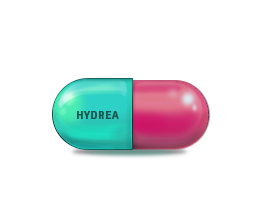
we accept Hydrea

Hydrea

HYDREA is indicated for the treatment of:

  • Availability: In Stock (119 packs)
  • Active Ingredient: hydroxyurea
Hydrea, 500mg
Package Per Pill Savings Per Pack Order
30 pills     $91.46  
60 pills $2.48  $34.30  $182.92 $148.62  
90 pills $2.29  $68.59  $274.38 $205.79  

Hydrea (Hydroxyurea)

1 INDICATIONS AND USAGE

HYDREA is indicated for the treatment of:

  • •Resistant chronic myeloid leukemia.
  • •Locally advanced squamous cell carcinomas of the head and neck (excluding the lip) in combination with chemoradiation.

HYDREA is an antimetabolite indicated for the treatment of:

  • Resistant chronic myeloid leukemia. (1)
  • Locally advanced squamous cell carcinomas of the head and neck, (excluding lip) in combination with concurrent chemoradiation. (1)

2 DOSAGE AND ADMINISTRATION

  • Individualize treatment based on tumor type, disease state, response to treatment, patient risk factors, and current clinical practice standards. (2.1)

  • Renal impairment: Reduce the dose of HYDREA by 50% in patients with creatinine clearance less than 60 mL/min. (2.3, 8.6, 12.3)

2.1 Dosing Information

HYDREA is used alone or in conjunction with other antitumor agents or radiation therapy to treat neoplastic diseases. Individualize treatment based on tumor type, disease state, response to treatment, patient risk factors, and current clinical practice standards.

Base all dosage on the patient's actual or ideal weight, whichever is less.

HYDREA is a cytotoxic drug. Follow applicable special handling and disposal procedures [see References (15)].

Swallow HYDREA capsules whole. Do NOT open, break, or chew capsules because HYDREA is a cytotoxic drug.

Prophylactic administration of folic acid is recommended [see Warnings and Precautions (5.8)].

Monitor blood counts at least once a week during HYDREA therapy. Severe anemia must be corrected before initiating therapy with HYDREA.

2.2 Dose Modifications for Toxicity

Monitor for the following and reduce the dose or discontinue HYDREA accordingly:

Consider dose modifications for other toxicities.

2.3 Dose Modifications for Renal Impairment

Reduce the dose of HYDREA by 50% in patients with measured creatinine clearance of less than 60 mL/min or with end-stage renal disease (ESRD) [see Use in Specific Populations (8.6) and Clinical Pharmacology (12.3)].

Creatinine Clearance
(mL/min)
Recommended HYDREA Initial Dose
(mg/kg once daily)

≥60

15

<60 or ESRD*

7.5

* On dialysis days, administer HYDREA to patients following hemodialysis.

Close monitoring of hematologic parameters is advised in these patients.

4 CONTRAINDICATIONS

HYDREA is contraindicated in patients who have demonstrated a previous hypersensitivity to hydroxyurea or any other component of the formulation.

  • In patients who have demonstrated a previous hypersensitivity to hydroxyurea or any other component of its formulation. (4)

5 WARNINGS AND PRECAUTIONS

  • Myelosuppression: Do not give if bone marrow function is markedly depressed. Monitor blood counts at baseline and throughout treatment. Interrupt treatment and reduce dose as necessary. (5.1)
  • Hemolytic anemia: Monitor blood counts throughout treatment. If hemolysis persists, discontinue HYDREA. (5.2)
  • Malignancies: Advise protection from sun exposure and monitor for secondary malignancies. (5.3)
  • Embryo-Fetal toxicity: Can cause fetal harm. Advise of potential risk to a fetus and use of effective contraception. ( 5.4, 8.1, 8.3)
  • Vasculitic toxicities: Discontinue HYDREA and initiate treatment if this occurs. (5.5)
  • Live Vaccinations: Avoid live vaccine use in a patient taking HYDREA. (5.6)
  • Risks with concomitant use of antiretroviral drugs: Pancreatitis, hepatotoxicity, and neuropathy have occurred. Monitor for signs and symptoms in patients with HIV infection using antiretroviral drugs; discontinue HYDREA and implement treatment. (5.7)
  • Radiation recall: Monitor for skin erythema in patients who previously received radiation and manage symptomatically. (5.8)

5.1 Myelosuppression

Hydroxyurea causes severe myelosuppression. Treatment with HYDREA should not be initiated if bone marrow function is markedly depressed. Bone marrow suppression may occur, and leukopenia is generally its first and most common manifestation. Thrombocytopenia and anemia occur less often and are seldom seen without a preceding leukopenia. Bone marrow depression is more likely in patients who have previously received radiotherapy or cytotoxic cancer chemotherapeutic agents; use HYDREA cautiously in such patients.

Evaluate hematologic status prior to and during treatment with HYDREA. Provide supportive care and modify dose or discontinue HYDREA as needed. Recovery from myelosuppression is usually rapid when therapy is interrupted.

5.2 Hemolytic Anemia

Cases of hemolytic anemia in patients treated with HYDREA for myeloproliferative diseases have been reported [see Adverse Reactions (6.1)] . Patients who develop acute jaundice or hematuria in the presence of persistent or worsening of anemia should have laboratory tests evaluated for hemolysis (e.g., measurement of serum lactate dehydrogenase, haptoglobin, reticulocyte, unconjugated bilirubin levels, urinalysis, and direct and indirect antiglobulin [Coombs] tests). In the setting of confirmed diagnosis of hemolytic anemia and in the absence of other causes, discontinue HYDREA.   

5.3 Malignancies

Hydroxyurea is a human carcinogen. In patients receiving long-term hydroxyurea for myeloproliferative disorders, secondary leukemia has been reported. Skin cancer has also been reported in patients receiving long-term hydroxyurea. Advise protection from sun exposure and monitor for the development of secondary malignancies.

5.4 Embryo-Fetal Toxicity

Based on the mechanism of action and findings in animals, HYDREA can cause fetal harm when administered to a pregnant woman. Hydroxyurea was embryotoxic and teratogenic in rats and rabbits at doses 0.8 times and 0.3 times, respectively, the maximum recommended human daily dose on a mg/m2 basis. Advise pregnant women of the potential risk to a fetus [see Use in Specific Populations (8.1)].
Advise females of reproductive potential to use effective contraception during and after treatment with HYDREA for at least 6 months after therapy. Advise males of reproductive potential to use effective contraception during and after treatment with HYDREA for at least 1 year after therapy [see Use in Specific Populations (8.1, 8.3)].

5.5 Vasculitic Toxicities

Cutaneous vasculitic toxicities, including vasculitic ulcerations and gangrene, have occurred in patients with myeloproliferative disorders during therapy with hydroxyurea. These vasculitic toxicities were reported most often in patients with a history of, or currently receiving, interferon therapy. If cutaneous vasculitic ulcers occur, institute treatment and discontinue HYDREA.

5.6 Live Vaccinations

Avoid use of live vaccine in patients taking HYDREA. Concomitant use of HYDREA with a live virus vaccine may potentiate the replication of the virus and/or may increase the adverse reaction of the vaccine because normal defense mechanisms may be suppressed by HYDREA. Vaccination with live vaccines in a patient receiving HYDREA may result in severe infection. Patient's antibody response to vaccines may be decreased. Consider consultation with a specialist.

5.7 Risks with Concomitant Use of Antiretroviral Drugs

Pancreatitis, hepatotoxicity, and peripheral neuropathy have occurred when hydroxyurea was administered concomitantly with antiretroviral drugs, including didanosine and stavudine [see Drug Interactions (7.1)].

5.8 Radiation Recall

Patients who have received irradiation therapy in the past may have an exacerbation of post-irradiation erythema. Monitor for skin erythema in patients who previously received radiation and manage symptomatically.

5.9 Macrocytosis

HYDREA may cause macrocytosis, which is self-limiting, and is often seen early in the course of treatment. The morphologic change resembles pernicious anemia, but is not related to vitamin B12 or folic acid deficiency. This may mask the diagnosis of pernicious anemia. Prophylactic administration of folic acid is recommended.

5.10 Pulmonary Toxicity

Interstitial lung disease including pulmonary fibrosis, lung infiltration, pneumonitis, and alveolitis/allergic alveolitis (including fatal cases) have been reported in patients treated for myeloproliferative neoplasm. Monitor patients developing pyrexia, cough, dyspnea, or other respiratory symptoms frequently, investigate and treat promptly. Discontinue HYDREA and manage with corticosteroids [see Adverse Reactions (6.1)].

5.11 Laboratory Test Interference

Interference with Uric Acid, Urea, or Lactic Acid Assays is possible, rendering falsely elevated results of these in patients treated with hydroxyurea [see Drug Interactions (7.2)].

Hydroxyurea may falsely elevate sensor glucose results from certain continuous glucose monitoring (CGM) systems and may lead to hypoglycemia if sensor glucose results are relied upon to dose insulin.
If a patient using a CGM is to be prescribed hydroxyurea, consult with the CGM prescriber about alternative glucose monitoring methods [see Drug Interactions (7.2)].

6 ADVERSE REACTIONS

The following clinically significant adverse reactions are described in detail in other labeling sections:

Most common adverse reactions (≥30%) are hematological, gastrointestinal symptoms, and anorexia. (6)

To report SUSPECTED ADVERSE REACTIONS, contact CHEPLAPHARM Arzneimittel GmbH at 1-888-877-5884  or FDA at 1-800-FDA-1088 or www.fda.gov/medwatch.

6.1 Postmarketing Experience

The following adverse reactions have been identified during post-approval use of HYDREA. Because these reactions are reported voluntarily from a population of uncertain size, it is not always possible to reliably estimate their frequency.

  • Reproductive System and Breast disorders: azoospermia, and oligospermia
  • Gastrointestinal disorders: stomatitis, nausea, vomiting, diarrhea, and constipation
  • Metabolism and Nutrition disorders: anorexia, tumor lysis syndrome
  • Skin and subcutaneous tissue disorders: maculopapular rash, skin ulceration, cutaneous lupus erythematosus, dermatomyositis-like skin changes, peripheral and facial erythema, hyperpigmentation, nail hyperpigmentation, atrophy of skin and nails, scaling, violet papules, and alopecia
  • Renal and urinary disorders: dysuria, elevations in serum uric acid, blood urea nitrogen (BUN), and creatinine levels
  • Nervous system disorders: headache, dizziness, drowsiness, disorientation, hallucinations, and convulsions
  • General Disorders: fever, chills, malaise, edema, and asthenia
  • Hepatobiliary disorders: elevation of hepatic enzymes, cholestasis, and hepatitis
  • Respiratory disorders: diffuse pulmonary infiltrates, dyspnea, and pulmonary fibrosis, interstitial lung disease, pneumonitis, alveolitis, allergic alveolitis and cough
  • Immune disorders: systemic lupus erythematosus
  • Hypersensitivity: Drug-induced fever (pyrexia) (>39°C, >102°F) requiring hospitalization has been reported concurrently with gastrointestinal, pulmonary, musculoskeletal, hepatobiliary, dermatological or cardiovascular manifestations. Onset typically occurred within 6 weeks of initiation and resolved upon discontinuation of hydroxyurea. Upon re-administration fever re-occurred typically within 24 hours.
  • Blood and lymphatic system disorders: hemolytic anemia

Adverse reactions observed with combined hydroxyurea and irradiation therapy are similar to those reported with the use of hydroxyurea or radiation treatment alone. These effects primarily include bone marrow depression (anemia and leukopenia), gastric irritation, and mucositis. Almost all patients receiving an adequate course of combined hydroxyurea and irradiation therapy will demonstrate concurrent leukopenia. Platelet depression (<100,000 cells/mm3) has occurred in the presence of marked leukopenia. HYDREA may potentiate some adverse reactions usually seen with irradiation alone, such as gastric distress and mucositis.