





Still undecided?
Use Coupon Code:
0% Off All Medications

we accept Lamivudin (cipla Ltd)

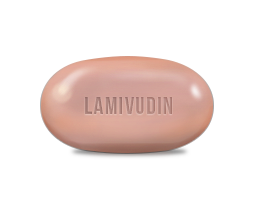
Lamivudin (cipla Ltd)

Lamivudine is a nucleoside analogue indicated in combination with other antiretroviral agents for the treatment of human immunodeficiency virus type 1 (HIV-1) infection

  • Availability: In Stock (33 packs)
  • Active Ingredient: lamivudine
Lamivudin (cipla Ltd), 100mg
Package Per Pill Savings Per Pack Order
30 pills     $74.57  
60 pills $1.80  $41.32  $149.14 $107.82  
90 pills $1.57  $82.63  $223.71 $141.08  
120 pills $1.45  $123.95  $298.28 $174.33  
180 pills $1.34  $206.61  $447.42 $240.81  
270 pills $1.26  $330.58  $671.13 $340.55  
360 pills $1.22  $454.54  $894.84 $440.30  
Lamivudin (cipla Ltd), 150mg
Package Per Pill Savings Per Pack Order
30 pills     $80.95  
60 pills $2.27  $25.96  $161.90 $135.94  
90 pills $2.12  $51.92  $242.85 $190.93  
120 pills $2.05  $77.88  $323.80 $245.92  
180 pills $1.98  $129.81  $485.70 $355.89  
270 pills $1.93  $207.69  $728.55 $520.86  
360 pills $1.91  $285.58  $971.40 $685.82  

Lamivudin (cipla Ltd) (Lamivudine)

1 INDICATIONS AND USAGE

Lamivudine is a nucleoside analogue indicated in combination with other antiretroviral agents for the treatment of human immunodeficiency virus type 1 (HIV-1) infection.

Limitations of Use:

  • The dosage of this product is for HIV-1 and not for HBV.

Lamivudine is a nucleoside analogue reverse transcriptase inhibitor indicated in combination with other antiretroviral agents for the treatment of HIV-1 infection.

 Limitations of Use: The dosage of this product is for HIV-1 and not for HBV. (1)

2 DOSAGE AND ADMINISTRATION

  • Adults: 300 mg daily, administered as either 150 mg twice daily or 300 mg once daily. (2.1)
  • Pediatric Patients Aged 3 Months and Older: Administered either once or twice daily. Dose should be calculated on body weight (kg) and should not exceed 300 mg daily. (2.2)
  • Patients with Renal Impairment: Doses of Lamivudine must be adjusted in accordance with renal function. (2.3)

2.1 Recommended Dosage for Adult Patients

The recommended dosage of Lamivudine in HIV-1-infected adults is 300 mg daily, administered as either 150 mg taken orally twice daily or 300 mg taken orally once daily with or without food. If lamivudine is administered to a patient infected with HIV-1 and HBV, the dosage indicated for HIV-1 therapy should be used as part of an appropriate combination regimen [see Warnings and Precautions (5.1)].

2.2 Recommended Dosage for Pediatric Patients

Lamivudine scored tablet is the preferred formulation for HIV-1-infected pediatric patients who weigh at least 14 kg and for whom a solid dosage form is appropriate. Before prescribing Lamivudine scored tablets, pediatric patients should be assessed for the ability to swallow tablets. For patients unable to safely and reliably swallow Lamivudine tablets, the oral solution formulation may be prescribed [see Warnings and Precautions (5.5)]. The recommended oral dosage of lamivudine tablets for HIV-1-infected pediatric patients is presented in Table 1.

Table 1. Dosing Recommendations for Lamivudine Scored (150-mg) Tablets in Pediatric Patients

a Data regarding the efficacy of once-daily dosing is limited to subjects who transitioned from twice-daily dosing to once-daily dosing after 36 weeks of treatment [see Clinical Studies (14.2)].

b Patients may alternatively take one 300-mg tablet, which is not scored.

Weight (kg)
Once-Daily Dosing Regimena
Twice-daily Dosing Regimen Using Scored 150-mg Tablet

AM Dose
PM Dose
Total Daily Dose
14 to <20
1 tablet (150 mg)
½ tablet (75 mg)
½ tablet (75 mg)
150 mg
≥20to <25
1½ tablets (225 mg)
½ tablet (75 mg)
1 tablet (150 mg)
225 mg
≥25
2 tablets (300 mg)b
1 tablet (150 mg)
1 tablet (150 mg)
300 mg

2.3 Patients with Renal Impairment

Dosing of Lamivudine is adjusted in accordance with renal function. Dosage adjustments are listed in Table 2 [see Clinical Pharmacology (12.3)].

Table 2. Adjustment of Dosage of Lamivudine tablets in Adults and Adolescents (Greater than or Equal to 25 kg) in Accordance with Creatinine Clearance
Creatinine Clearance
(mL/min)
Recommended Dosage of Lamivudine
≥50
150 mg twice daily or 300 mg once daily
30-49
150 mg once daily
15-29
150 mg first dose, then 100 mg once daily
5-14
150 mg first dose, then 50 mg once daily
<5
50 mg first dose, then 25 mg once daily

No additional dosing of Lamivudine tablets is required after routine (4-hour) hemodialysis or peritoneal dialysis.

Although there are insufficient data to recommend a specific dose adjustment of lamivudine tablets in pediatric patients with renal impairment, a reduction in the dose and/or an increase in the dosing interval should be considered.

4 CONTRAINDICATIONS

Lamivudine Tablets are contraindicated in patients with a previous hypersensitivity reaction to lamivudine.

Lamivudine tablets are contraindicated in patients with previous hypersensitivity reaction to lamivudine. (4)

5 WARNINGS AND PRECAUTIONS

  • Co-infected HIV-1/HBV Patients: Emergence of lamivudine-resistant HBV variants associated with lamivudine-containing antiretroviral regimens has been reported. (5.1)
  • Lactic acidosis and severe hepatomegaly with steatosis, including fatal cases, have been reported with the use of nucleoside analogues. (5.2)
  • Pancreatitis: Use with caution in pediatric patients with a history of pancreatitis or other significant risk factors for pancreatitis. Discontinue treatment as clinically appropriate. (5.3)
  • Immune reconstitution syndrome has been reported in patients treated with combination antiretroviral therapy. (5.4)
  • Lower virologic suppression rates and increased risk of viral resistance were observed in pediatric subjects who received lamivudine oral solution concomitantly with other antiretroviral oral solutions compared with those who received tablets. An all-tablet regimen should be used when possible. (5.5)

5.1 Patients with Hepatitis B Virus Co-infection

Posttreatment Exacerbations of Hepatitis

Clinical and laboratory evidence of exacerbations of hepatitis have occurred after discontinuation of lamivudine. These exacerbations have been detected primarily by serum ALT elevations in addition to re-emergence of HBV DNA. Although most events appear to have been self-limited, fatalities have been reported in some cases. Similar events have been reported from postmarketing experience after changes from lamivudine-containing HIV-1 treatment regimens to non-lamivudine-containing regimens in patients infected with both HIV-1 and HBV. The causal relationship to discontinuation of lamivudine treatment is unknown. Patients should be closely monitored with both clinical and laboratory follow-up for at least several months after stopping treatment.

Important Differences among Lamivudine-Containing Products

Lamivudine tablets contain a higher dose of the same active ingredient (lamivudine) than EPIVIR-HBV tablets and EPIVIR-HBV oral solution. EPIVIR-HBV was developed for patients with chronic hepatitis B. The formulation and dosage of lamivudine in EPIVIR-HBV are not appropriate for patients co-infected with HIV-1 and HBV. Safety and efficacy of lamivudine have not been established for treatment of chronic hepatitis B in patients co-infected with HIV-1 and HBV. If treatment with EPIVIR-HBV is prescribed for chronic hepatitis B for a patient with unrecognized or untreated HIV-1 infection, rapid emergence of HIV-1 resistance is likely to result because of the subtherapeutic dose and the inappropriateness of monotherapy HIV-1 treatment. If a decision is made to administer lamivudine to patients co-infected with HIV-1 and HBV, lamivudine tablets, lamivudine oral solution, or another product containing the higher dose of lamivudine should be used as part of an appropriate combination regimen.

Emergence of Lamivudine-Resistant HBV

Safety and efficacy of lamivudine have not been established for treatment of chronic hepatitis B in subjects dually infected with HIV-1 and HBV (see full prescribing information for EPIVIR-HBV). Emergence of hepatitis B virus variants associated with resistance to lamivudine has also been reported in HIV-1-infected subjects who have received lamivudine-containing antiretroviral regimens in the presence of concurrent infection with hepatitis B virus.

5.2 Lactic Acidosis and Severe Hepatomegaly with Steatosis

Lactic acidosis and severe hepatomegaly with steatosis, including fatal cases, have been reported with the use of nucleoside analogues, including lamivudine tablets. A majority of these cases have been in women. Female sex and obesity may be risk factors for the development of lactic acidosis and severe hepatomegaly with steatosis in patients treated with antiretroviral nucleoside analogues. Treatment with lamivudine tablets should be suspended in any patient who develops clinical or laboratory findings suggestive of lactic acidosis or pronounced hepatotoxicity, which may include hepatomegaly and steatosis even in the absence of marked transaminase elevations.

5.3 Pancreatitis

In pediatric patients with a history of prior antiretroviral nucleoside exposure, a history of pancreatitis, or other significant risk factors for the development of pancreatitis, lamivudine should be used with caution. Treatment with lamivudine should be stopped immediately if clinical signs, symptoms, or laboratory abnormalities suggestive of pancreatitis occur [see Adverse Reactions (6.1)].

5.4 Immune Reconstitution Syndrome

Immune reconstitution syndrome has been reported in patients treated with combination antiretroviral therapy, including lamivudine. During the initial phase of combination antiretroviral treatment, patients whose immune systems respond may develop an inflammatory response to indolent or residual opportunistic infections (such as Mycobacterium avium infection, cytomegalovirus,Pneumocystis jirovecii pneumonia [PCP], or tuberculosis), which may necessitate further evaluation and treatment.

Autoimmune disorders (such as Graves' disease, polymyositis, and Guillain-Barre syndrome) have also been reported to occur in the setting of immune reconstitution, however, the time to onset is more variable, and can occur many months after initiation of treatment.

5.5 Lower Virologic Suppression Rates and Increased Risk of Viral Resistance with Oral Solution

Pediatric subjects who received Lamivudine oral solution (at weight band-based doses approximating 8 mg per kg per day) concomitantly with other antiretroviral oral solutions at any time in the ARROW trial had lower rates of virologic suppression, lower plasma lamivudine exposure, and developed viral resistance more frequently than those receiving Lamivudine tablets [see Clinical Pharmacology (12.3), Microbiology (12.4), Clinical Studies (14.2)].

Lamivudine scored tablet is the preferred formulation for HIV-1-infected pediatric patients who weigh at least 14 kg and for whom a solid dosage form is appropriate. An all-tablet regimen should be used when possible to avoid a potential interaction with sorbitol [see Clinical Pharmacology (12.3)].  Consider more frequent monitoring of HIV-1 viral load when treating with Lamivudine oral solution.

6 ADVERSE REACTIONS

The following adverse reactions are discussed in other sections of the labeling:

  • Exacerbations of hepatitis B [see Boxed Warning, Warnings and Precautions (5.1)].
  • Lactic acidosis and severe hepatomegaly with steatosis[see Warnings and Precautions (5.2)].
  • Pancreatitis[see Warnings and Precautions (5.3)].
  • Immune reconstitution syndrome [see Warnings and Precautions (5.4)].
  • The most common reported adverse reactions (incidence greater than equal to 15%) in adults were headache, nausea, malaise and fatigue, nasal signs and symptoms, diarrhea, and cough. (6.1)
  • The most common reported adverse reactions (incidence greater than equal to 15%) in pediatric patients subjects were fever and cough. (6.1)

To report SUSPECTED ADVERSE REACTIONS, contact Strides Pharma Inc. at 1-877-244-9825 or FDA at 1-800-FDA-1088 or www.fda.gov/medwatch

6.1 Clinical Trials Experience

Clinical Trials Experience in Adult Subjects.

Because clinical trials are conducted under widely varying conditions, adverse reaction rates observed in the clinical trials of a drug cannot be directly compared to rates in the clinical trials of another drug and may not reflect the rates observed in clinical practice.

The safety profile of lamivudine in adults is primarily based on 3,568 HIV-1-infected subjects in 7 clinical trials

The most common adverse reactions are headache, nausea, malaise, fatigue, nasal signs and symptoms, diarrhea and cough.

Selected clinical adverse reactions in greater than or equal to 5% of subjects during therapy with lamivudine 150 mg twice daily plus RETROVIR 200 mg 3 times daily for up to 24 weeks are listed in Table 3.

Table 3. Selected Clinical Adverse Reactions (Greater than or Equal to 5% Frequency) in Four Controlled Clinical Trials (NUCA3001, NUCA3002, NUCB3001, NUCB3002)
Adverse Reaction
Lamivudine 150 mg Twice Daily
plus RETROVIR (n = 251)
RETROVIREither zidovudine monotherapy or zidovudine in combination with zalcitabine.(n = 230)
Body as a Whole
Headache
35%
27%
Malaise & fatigue
27%
23%
Fever or chills
10%
12%
Digestive
Nausea
33%
29%
Diarrhea
18%
22%
Nausea & vomiting
13%
12%
Anorexia and/or decreased appetite
10%
7%
Abdominal pain
9%
11%
Abdominal cramps
6%
3%
Dyspepsia
5%
5%
Nervous System
Neuropathy
12%
10%
Insomnia & other sleep disorders
11%
7%
Dizziness
10%
4%
Depressive disorders
9%
4%
Respiratory
Nasal signs & symptoms
20%
11%
Cough
18%
13%
Skin
Skin rashes
9%
6%
Musculoskeletal
Musculoskeletal pain
12%
10%
Myalgia
8%
6%
Arthralgia
5%
5%

Pancreatitis: Pancreatitis was observed in 9 out of 2,613 adult subjects (0.3%) who received lamivudine in controlled clinical trials EPV20001, NUCA3001, NUCB3001, NUCA3002, NUCB3002, and NUCB3007[see Warnings and Precautions (5.4)].

Lamivudine 300 mg Once Daily: The types and frequencies of clinical adverse reactions reported in subjects receiving lamivudine 300 mg once daily or lamivudine 150 mg twice daily (in 3-drug combination regimens in EPV20001 and EPV40001) for 48 weeks were similar.

Selected laboratory abnormalities observed during therapy are summarized in Table 4.

Table 4. Frequencies of Selected Grade 3-4 Laboratory Abnormalities in Adults in Four 24-Week Surrogate Endpoint Trials (NUCA3001, NUCA3002, NUCB3001, NUCB3002) and a Clinical Endpoint Trial (NUCB3007)

ULN = Upper limit of normal.

ND = Not done.

Test
(Threshold Level)
24-Week Surrogate Endpoint TrialsThe median duration on study was 12 months.
Clinical Endpoint Trials
Lamivudine
Plus
RETROVIR
RETROVIREither zidovudine monotherapy or zidovudine in combination with zalcitabine.
Lamivudine
plus Current
TherapyCurrent therapy was either zidovudine, zidovudine plus didanosine, or zidovudine plus zalcitabine.
Placebo plus
Current
Therapy
Absolute neutrophil count
(<750/mm3)
7.2%
5.4
15%
13%
Hemoglobin (<8.0 g/dL)
2.9%
1.8
2.2%
3.4%
Platelets (<50,000/mm3)
0.4%
1.3
2.8%
3.8%
ALT (>5.0 x ULN)
3.7%
3.6
3.8%
1.9%
AST (>5.0 x ULN)
1.7%
1.8
4.0%
2.1%
Bilirubin (>2.5 x ULN)
0.8%
0.4
ND
ND
Amylase (>2.0 x ULN)
4.2%
1.5
2.2%
1.1%

The frequencies of selected laboratory abnormalities reported in subjects receiving lamivudine 300 mg once daily or lamivudine 150 mg twice daily (in 3-drug combination regimens in EPV20001 and EPV40001) were similar.

Clinical Trials Experience in Pediatric Subjects

Lamivudine oral solution has been studied in 638 pediatric subjects aged 3 months to 18 years in 3 clinical trials.

Selected clinical adverse reactions and physical findings with a greater than or equal to 5% frequency during therapy with lamivudine 4 mg per kg twice daily plus RETROVIR 160 mg per m2  3 times daily in therapy-naive (less than or equal to 56 days of antiretroviral therapy) pediatric subjects are listed in Table 5.

Table 5. Selected Clinical Adverse Reactions and Physical Findings (Greater than or Equal to 5% Frequency) in Pediatric Subjects in Trial ACTG300
Adverse Reaction
Lamivudine plus RETROVIR (n = 236)
Didanosine (n = 235)
Body as a Whole
Fever
25%
32%
Digestive
Hepatomegaly
11%
11%
Nausea & vomiting
8%
7%
Diarrhea
8%
6%
Stomatitis
6%
12%
Splenomegaly
5%
8%
Respiratory
Cough
15%
18%
Abnormal breath sounds/wheezing
7%
9%
Ear, Nose and Throat
Signs or symptoms of earsIncludes pain, discharge, erythema, or swelling of an ear.
Nasal discharge or congestion
7%
6%
8%
11%
Other
Skin rashes
12%
14%
Lymphadenopathy
9%
11%

Pancreatitis: Pancreatitis, which has been fatal in some cases, has been observed in antiretroviral nucleoside-experienced pediatric subjects receiving lamivudine alone or in combination with other antiretroviral agents. In an open-label dose-escalation trial (NUCA2002), 14 subjects (14%) developed pancreatitis while receiving monotherapy with lamivudine. Three of these subjects died of complications of pancreatitis. In a second open-label trial (NUCA2005), 12 subjects (18%) developed pancreatitis. In Trial ACTG300, pancreatitis was not observed in 236 subjects randomized to lamivudine plus RETROVIR. Pancreatitis was observed in 1 subject in this trial who received open-label lamivudine in combination with RETROVIR and ritonavir following discontinuation of didanosine monotherapy [see Warnings and Precautions (5.3)].

Paresthesias and Peripheral Neuropathies: Paresthesias and peripheral neuropathies were reported in 15 subjects (15%) in Trial NUCA2002, 6 subjects (9%) in Trial NUCA2005, and 2 subjects (less than 1%) in Trial ACTG300.

Selected laboratory abnormalities experienced by therapy-naive (less than or equal to 56 days of antiretroviral therapy) pediatric subjects are listed in Table 6.

Table 6. Frequencies of Selected Grade 3-4 Laboratory Abnormalities in Pediatric Subjects in Trial ACTG300

ULN = Upper limit of normal.

Test (Threshold Level)
Lamivudine
plus
RETROVIR
Didanosine
Absolute neutrophil count (<400/mm3)
8%
3%
Hemoglobin (<7.0 g/dL)
4%
2%
Platelets (<50,000/mm3)
1%
3%
ALT (>10 x ULN)
1%
3%
AST (>10 x ULN)
2%
4%
Lipase (>2.5 x ULN)
3%
3%
Total Amylase (>2.5 x ULN)
3%
3%

Pediatric Subjects Once-Daily versus Twice-Daily Dosing (COL105677): The safety of once-daily compared with twice-daily dosing of lamivudine was assessed in the ARROW trial. Primary safety assessment in the ARROW trial was based on Grade 3 and Grade 4 adverse events. The frequency of Grade 3 and 4 adverse events was similar among subjects randomized to once-daily dosing compared with subjects randomized to twice-daily dosing. One event of Grade 4 hepatitis in the once-daily cohort was considered as uncertain causality by the investigator and all other Grade 3 or 4 adverse events were considered not related by the investigator.

Neonates: Limited short-term safety information is available from 2 small, uncontrolled trials in South Africa in neonates receiving lamivudine with or without zidovudine for the first week of life following maternal treatment starting at Week 38 or 36 of gestation [see Clinical Pharmacology (12.3)]. Selected adverse reactions reported in these neonates included increased liver function tests, anemia, diarrhea, electrolyte disturbances, hypoglycemia, jaundice and hepatomegaly, rash, respiratory infections, and sepsis; 3 neonates died (1 from gastroenteritis with acidosis and convulsions, 1 from traumatic injury, and 1 from unknown causes). Two other nonfatal gastroenteritis or diarrhea cases were reported, including 1 with convulsions; 1 infant had transient renal insufficiency associated with dehydration. The absence of control groups limits assessments of causality, but it should be assumed that perinatally exposed infants may be at risk for adverse reactions comparable to those reported in pediatric and adult HIV-1-infected patients treated with lamivudine-containing combination regimens. Long-term effects of in utero and infant lamivudine exposure are not known.

6.2 Postmarketing Experience

The following adverse reactions have been identified during post-approval use of lamivudine.  Because these reactions are reported voluntarily from a population of unknown size, it is not always possible to reliably estimate their frequency or establish a causal relationship to drug exposure. These reactions have been chosen for inclusion due to a combination of their seriousness, frequency of reporting, or potential causal connection to lamivudine.

Body as a Whole

Redistribution/accumulation of body fat.

Endocrine and Metabolic

Hyperglycemia.

General

Weakness.

Hemic and Lymphatic

Anemia (including pure red cell aplasia and severe anemias progressing on therapy).

Hepatic and Pancreatic

Lactic acidosis and hepatic steatosis [see Warnings and Precautions (5.2)], posttreatment exacerbations of hepatitis B [see Warnings and Precautions (5.1)].

Hypersensitivity

Anaphylaxis, urticaria.

Musculoskeletal

Muscle weakness, CPK elevation, rhabdomyolysis.

Skin 

Alopecia, pruritus.