we accept  Aggrenox Caps
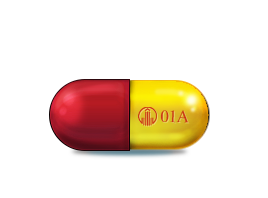
AGGRENOX is indicated to reduce the risk of stroke in patients who have had transient ischemia of the brain or completed ischemic stroke due to thrombosis
- Availability: In Stock (45 packs)
- Active Ingredient: aggrenox
- Analogs of Aggrenox Caps
- Viagra Capsules,
- Anafranil,
- Feldene,
- Ponstel,
- Fluoxetine,
- Danazol,
- Retino A Cream 0.05,
- Retino A Cream 0.025,
- Retin A Gel 0.1,
- Omnicef,
- Minomycin,
- Tizanidine,
- Flomax,
- Hytrin,
- Nortriptyline,
- Eulexin,
- Cardizem Er,
- Detrol,
- Keflex,
- Doxycycline,
- Minipress,
- Diltiazem,
- Sporanox,
- Sinequan,
- Prometrium
| Package | Per Pill | Savings | Per Pack | Order |
|---|---|---|---|---|
| 30 pills | $93.77 | |||
| 60 pills | $2.68 | $26.66 | $187.54 $160.88 | |
| 90 pills | $2.30 | $74.35 | $281.31 $206.96 | |
| 120 pills | $2.06 | $127.62 | $375.08 $247.46 | |
| 180 pills | $1.78 | $242.44 | $562.62 $320.18 |
Aggrenox Caps (Aggrenox)
1 INDICATIONS AND USAGE
AGGRENOX is indicated to reduce the risk of stroke in patients who have had transient ischemia of the brain or completed ischemic stroke due to thrombosis.
- AGGRENOX is a combination antiplatelet agent indicated to reduce the risk of stroke in patients who have had transient ischemia of the brain or completed ischemic stroke due to thrombosis (1)
2 DOSAGE AND ADMINISTRATION
AGGRENOX is not interchangeable with the individual components of aspirin and dipyridamole tablets.
The recommended dose of AGGRENOX is one capsule given orally twice daily, one in the morning and one in the evening. Swallow capsules whole without chewing. AGGRENOX can be administered with or without food.
- One capsule twice daily (morning and evening) with or without food (2)
- In case of intolerable headaches during initial treatment, switch to one capsule at bedtime and low-dose aspirin in the morning; resume BID dosing within one week (2)
- Do not chew capsule (2)
- Not interchangeable with the individual components of aspirin and dipyridamole tablets (2)
- Dispense in this unit-of-use container (16)
2.1 Alternative Regimen in Case of Intolerable Headaches
In the event of intolerable headaches during initial treatment, switch to one capsule at bedtime and low-dose aspirin in the morning. Because there are no outcome data with this regimen and headaches become less of a problem as treatment continues, patients should return to the usual regimen as soon as possible, usually within one week.
4 CONTRAINDICATIONS
- Hypersensitivity to any product ingredients (4.1)
- Patients with known allergy to NSAIDs (4.2)
- Patients with the syndrome of asthma, rhinitis, and nasal polyps (4.2)
4.1 Hypersensitivity
AGGRENOX is contraindicated in patients with known hypersensitivity to any of the product components.
4.2 Allergy
Aspirin is contraindicated in patients with known allergy to nonsteroidal anti-inflammatory drug (NSAID) products and in patients with the syndrome of asthma, rhinitis, and nasal polyps. Aspirin may cause severe urticaria, angioedema or bronchospasm.
4.3 Reye Syndrome
Do not use aspirin in children or teenagers with viral infections because of the risk of Reye syndrome.
5 WARNINGS AND PRECAUTIONS
5.1 Risk of Bleeding
AGGRENOX increases the risk of bleeding. Risk factors for bleeding include the use of other drugs that increase the risk of bleeding (e.g., anticoagulants, antiplatelet agents, heparin, anagrelide, fibrinolytic therapy, and chronic use of NSAIDs) [see Drug Interactions (7.1) ].
Intracranial Hemorrhage
In European Stroke Prevention Study-2 (ESPS2), the incidence of intracranial hemorrhage was 0.6% in the AGGRENOX group, 0.5% in the extended-release dipyridamole (ER-DP) group, 0.4% in the
aspirin (ASA) group and 0.4% in the placebo groups.
Gastrointestinal (GI) Side Effects
GI side effects include stomach pain, heartburn, nausea, vomiting, and gross GI bleeding. Although minor upper GI symptoms, such as dyspepsia, are common and can occur anytime during therapy,
physicians should remain alert for signs of ulceration and bleeding, even in the absence of previous GI symptoms. Inform patients about the signs and symptoms of GI side effects and what steps to
take if they occur.
In ESPS2, the incidence of gastrointestinal bleeding was 4.1% in the AGGRENOX group, 2.2% in the extended-release dipyridamole group, 3.2% in the aspirin group, and 2.1% in the placebo groups.
Peptic Ulcer Disease
Avoid using aspirin in patients with a history of active peptic ulcer disease, which can cause gastric mucosal irritation and bleeding.
Alcohol Warning
Because AGGRENOX contains aspirin, counsel patients who consume three or more alcoholic drinks every day about the bleeding risks involved with chronic, heavy alcohol use while taking aspirin.
5.2 Renal Failure
Avoid aspirin in patients with severe renal failure (glomerular filtration rate less than 10 mL/minute) [ see Use in Specific Populations (8.6) and Clinical Pharmacology (12.3) ].
5.3 Hepatic Insufficiency
Elevations of hepatic enzymes and hepatic failure have been reported in association with dipyridamole administration [ see Use in Specific Populations (8.6) and Clinical Pharmacology (12.3) ].
5.4 Pregnancy
Because AGGRENOX contains aspirin, AGGRENOX can cause fetal harm when administered to a pregnant woman. Maternal aspirin use during later stages of pregnancy may cause low birth weight, increased incidence for intracranial hemorrhage in premature infants, stillbirths and neonatal death. Because of the above and because of the known effects of nonsteroidal anti-inflammatory drugs (NSAIDs) on the fetal cardiovascular system (closure of the ductus arteriosus), avoid AGGRENOX in the third trimester of pregnancy [ see Use in Specific Populations (8.1) ].
Aspirin has been shown to be teratogenic in rats (spina bifida, exencephaly, microphthalmia and coelosomia) and rabbits (congested fetuses, agenesis of skull and upper jaw, generalized edema with malformation of the head, and diaphanous skin) at oral doses of 330 mg/kg/day and 110 mg/kg/day, respectively. These doses, which also resulted in a high resorption rate in rats (63% of implantations versus 5% in controls), are, on a mg/m2 basis, about 66 and 44 times, respectively, the dose of aspirin contained in the maximum recommended daily human dose of AGGRENOX. Reproduction studies with dipyridamole have been performed in mice, rabbits and rats at oral doses of up to 125 mg/kg, 40 mg/kg and 1000 mg/kg, respectively (about 1½, 2 and 25 times the maximum recommended daily human oral dose, respectively, on a mg/m2 basis) and have revealed no evidence of harm to the fetus due to dipyridamole. When 330 mg aspirin/kg/day was combined with 75 mg dipyridamole/kg/day in the rat, the resorption rate approached 100%, indicating potentiation of aspirin-related fetal toxicity. There are no adequate and well-controlled studies of the use of AGGRENOX in pregnant women. If AGGRENOX is used during pregnancy, or if the patient becomes pregnant while taking AGGRENOX, inform the patient of the potential hazard to the fetus.
5.5 Coronary Artery Disease
Dipyridamole has a vasodilatory effect. Chest pain may be precipitated or aggravated in patients with underlying coronary artery disease who are receiving dipyridamole.
For stroke or TIA patients for whom aspirin is indicated to prevent recurrent myocardial infarction (MI) or angina pectoris, the aspirin in this product may not provide adequate treatment for the cardiac indications.
5.6 Hypotension
Dipyridamole produces peripheral vasodilation, which can exacerbate pre-existing hypotension.
5.7 General
AGGRENOX capsules are not interchangeable with the individual components of aspirin and dipyridamole tablets.
6 ADVERSE REACTIONS
The following adverse reactions are discussed elsewhere in the labeling:
- The most frequently reported adverse reactions (>10% and greater than placebo) were headache, dyspepsia, abdominal pain, nausea, and diarrhea (6)
To report SUSPECTED ADVERSE REACTIONS, contact Boehringer Ingelheim Pharmaceuticals, Inc. at (800) 542-6257 or (800) 459-9906 TTY or FDA at 1-800-FDA-1088 or www.fda.gov/medwatch.
6.1 Clinical Trials Experience
Because clinical trials are conducted under widely varying conditions, adverse reaction rates observed in the clinical trials of a drug cannot be directly compared to rates in the clinical trials of another drug and may not reflect the rates observed in practice.
The efficacy and safety of AGGRENOX was established in the European Stroke Prevention Study-2 (ESPS2). ESPS2 was a double-blind, placebo-controlled study that evaluated 6602 patients over the age of 18 years who had a previous ischemic stroke or transient ischemic attack within ninety days prior to entry. Patients were randomized to either AGGRENOX, aspirin, ER-DP, or placebo [ see Clinical Studies (14) ]; primary endpoints included stroke (fatal or nonfatal) and death from all causes.
This 24-month, multicenter, double-blind, randomized study (ESPS2) was conducted to compare the efficacy and safety of AGGRENOX with placebo, extended-release dipyridamole alone and aspirin alone. The study was conducted in a total of 6602 male and female patients who had experienced a previous ischemic stroke or transient ischemia of the brain within three months prior to randomization.
Table 1 presents the incidence of adverse events that occurred in 1% or more of patients treated with AGGRENOX where the incidence was also greater than in those patients treated with placebo. There is no clear benefit of the dipyridamole/aspirin combination over aspirin with respect to safety.
Table 1 Incidence of Adverse Events in ESPS2a| Individual Treatment Group | ||||||||
|---|---|---|---|---|---|---|---|---|
| AGGRENOX | ER-DP Alone | ASA Alone | Placebo | |||||
| Body System/Preferred Term | ||||||||
| aReported by ≥1% of patients during AGGRENOX treatment where the incidence was greater than in those treated with placebo. | ||||||||
|
Note: ER-DP = extended-release dipyridamole 200 mg; ASA = aspirin 25 mg. The dosage regimen for all treatment groups is BID. NOS = not otherwise specified. |
||||||||
| 1650 | 1654 | 1649 | 1649 | |||||
| Total Number of Patients | ||||||||
|
Total Number (%) of Patients With at Least One On-Treatment Adverse Event |
1319 |
(80%) |
1305 |
(79%) |
1323 |
(80%) |
1304 |
(79%) |
|
Central and Peripheral Nervous System Disorders |
||||||||
| Headache | 647 | (39%) | 634 | (38%) | 558 | (34%) | 543 | (33%) |
| Convulsions | 28 | (2%) | 15 | (1%) | 28 | (2%) | 26 | (2%) |
|
Gastrointestinal System Disorders |
||||||||
| Dyspepsia | 303 | (18%) | 288 | (17%) | 299 | (18%) | 275 | (17%) |
| Abdominal Pain | 289 | (18%) | 255 | (15%) | 262 | (16%) | 239 | (14%) |
| Nausea | 264 | (16%) | 254 | (15%) | 210 | (13%) | 232 | (14%) |
| Diarrhea | 210 | (13%) | 257 | (16%) | 112 | (7%) | 161 | (10%) |
| Vomiting | 138 | (8%) | 129 | (8%) | 101 | (6%) | 118 | (7%) |
| Hemorrhage Rectum | 26 | (2%) | 22 | (1%) | 16 | (1%) | 13 | (1%) |
| Melena | 31 | (2%) | 10 | (1%) | 20 | (1%) | 13 | (1%) |
| Hemorrhoids | 16 | (1%) | 13 | (1%) | 10 | (1%) | 10 | (1%) |
| GI Hemorrhage | 20 | (1%) | 5 | (0%) | 15 | (1%) | 7 | (0%) |
|
Body as a Whole - General Disorders |
||||||||
| Pain | 105 | (6%) | 88 | (5%) | 103 | (6%) | 99 | (6%) |
| Fatigue | 95 | (6%) | 93 | (6%) | 97 | (6%) | 90 | (5%) |
| Back Pain | 76 | (5%) | 77 | (5%) | 74 | (4%) | 65 | (4%) |
| Accidental Injury | 42 | (3%) | 24 | (1%) | 51 | (3%) | 37 | (2%) |
| Malaise | 27 | (2%) | 23 | (1%) | 26 | (2%) | 22 | (1%) |
| Asthenia | 29 | (2%) | 19 | (1%) | 17 | (1%) | 18 | (1%) |
| Syncope | 17 | (1%) | 13 | (1%) | 16 | (1%) | 8 | (0%) |
|
Psychiatric Disorders |
||||||||
| Amnesia | 39 | (2%) | 40 | (2%) | 57 | (3%) | 34 | (2%) |
| Confusion | 18 | (1%) | 9 | (1%) | 22 | (1%) | 15 | (1%) |
| Anorexia | 19 | (1%) | 17 | (1%) | 10 | (1%) | 15 | (1%) |
| Somnolence | 20 | (1%) | 13 | (1%) | 18 | (1%) | 9 | (1%) |
|
Musculoskeletal System Disorders |
||||||||
| Arthralgia | 91 | (6%) | 75 | (5%) | 91 | (6%) | 76 | (5%) |
| Arthritis | 34 | (2%) | 25 | (2%) | 17 | (1%) | 19 | (1%) |
| Arthrosis | 18 | (1%) | 22 | (1%) | 13 | (1%) | 14 | (1%) |
| Myalgia | 20 | (1%) | 16 | (1%) | 11 | (1%) | 11 | (1%) |
|
Respiratory System Disorders |
||||||||
| Coughing | 25 | (2%) | 18 | (1%) | 32 | (2%) | 21 | (1%) |
|
Upper Respiratory Tract Infection |
16 | (1%) | 9 | (1%) | 16 | (1%) | 14 | (1%) |
|
Cardiovascular Disorders, General |
||||||||
| Cardiac Failure | 26 | (2%) | 17 | (1%) | 30 | (2%) | 25 | (2%) |
|
Platelet, Bleeding and Clotting Disorders |
||||||||
| Hemorrhage NOS | 52 | (3%) | 24 | (1%) | 46 | (3%) | 24 | (1%) |
| Epistaxis | 39 | (2%) | 16 | (1%) | 45 | (3%) | 25 | (2%) |
| Purpura | 23 | (1%) | 8 | (0%) | 9 | (1%) | 7 | (0%) |
|
Neoplasm |
||||||||
| Neoplasm NOS | 28 | (2%) | 16 | (1%) | 23 | (1%) | 20 | (1%) |
|
Red Blood Cell Disorders |
||||||||
| Anemia | 27 | (2%) | 16 | (1%) | 19 | (1%) | 9 | (1%) |
Discontinuation due to adverse events in ESPS2 was 25% for AGGRENOX, 25% for extended-release dipyridamole, 19% for aspirin, and 21% for placebo (refer to Table 2)
Table 2 Incidence of Adverse Events that Led to the Discontinuation of Treatment: Adverse Events with an Incidence of ≥1% in the AGGRENOX Group| Treatment Groups | ||||||||
|---|---|---|---|---|---|---|---|---|
| AGGRENOX | ER-DP | ASA | Placebo | |||||
| Note: ER-DP = extended-release dipyridamole 200 mg; ASA = aspirin 25 mg. The dosage regimen for all treatment groups is BID. | ||||||||
| Total Number of Patients | 1650 | 1654 | 1649 | 1649 | ||||
|
Patients with at least one Adverse Event that led to treatment discontinuation |
417 |
(25%) |
419 |
(25%) |
318 |
(19%) |
352 |
(21%) |
| Headache | 165 | (10%) | 166 | (10%) | 57 | (3%) | 69 | (4%) |
| Dizziness | 85 | (5%) | 97 | (6%) | 69 | (4%) | 68 | (4%) |
| Nausea | 91 | (6%) | 95 | (6%) | 51 | (3%) | 53 | (3%) |
| Abdominal Pain | 74 | (4%) | 64 | (4%) | 56 | (3%) | 52 | (3%) |
| Dyspepsia | 59 | (4%) | 61 | (4%) | 49 | (3%) | 46 | (3%) |
| Vomiting | 53 | (3%) | 52 | (3%) | 28 | (2%) | 24 | (1%) |
| Diarrhea | 35 | (2%) | 41 | (2%) | 9 | (<1%) | 16 | (<1%) |
| Stroke | 39 | (2%) | 48 | (3%) | 57 | (3%) | 73 | (4%) |
| Transient Ischemic Attack | 35 | (2%) | 40 | (2%) | 26 | (2%) | 48 | (3%) |
| Angina Pectoris | 23 | (1%) | 20 | (1%) | 16 | (<1%) | 26 | (2%) |
Headache was most notable in the first month of treatment.
Other Adverse Events
Adverse reactions that occurred in less than 1% of patients treated with AGGRENOX in the ESPS2 study and that were medically judged to be possibly related to either dipyridamole or aspirin are
listed below.
Body as a Whole: Allergic reaction, fever
Cardiovascular: Hypotension
Central Nervous System: Coma, dizziness, paresthesia, cerebral hemorrhage, intracranial hemorrhage, subarachnoid hemorrhage
Gastrointestinal: Gastritis, ulceration and perforation
Hearing and Vestibular Disorders: Tinnitus, and deafness. Patients with high frequency hearing loss may have difficulty perceiving tinnitus. In these patients, tinnitus cannot be used as a clinical indicator of salicylism
Heart Rate and Rhythm Disorders: Tachycardia, palpitation, arrhythmia, supraventricular tachycardia
Liver and Biliary System Disorders: Cholelithiasis, jaundice, hepatic function abnormal
Metabolic and Nutritional Disorders: Hyperglycemia, thirst
Platelet, Bleeding and Clotting Disorders: Hematoma, gingival bleeding
Psychiatric Disorders: Agitation
Reproductive: Uterine hemorrhage
Respiratory: Hyperpnea, asthma, bronchospasm, hemoptysis, pulmonary edema
Special Senses Other Disorders: Taste loss
Skin and Appendages Disorders: Pruritus, urticaria
Urogenital: Renal insufficiency and failure, hematuria
Vascular (Extracardiac) Disorders: Flushing
Laboratory Changes
Over the course of the 24-month study (ESPS2), patients treated with AGGRENOX showed a decline (mean change from baseline) in hemoglobin of 0.25 g/dL, hematocrit of 0.75%, and erythrocyte count
of 0.13x10⁶/mm3.
6.2 Post-Marketing Experience
The following is a list of additional adverse reactions that have been reported either in the literature or are from post-marketing spontaneous reports for either dipyridamole or aspirin. Because these reactions are reported voluntarily from a population of uncertain size, it is not always possible to estimate reliably their frequency or establish a causal relationship to drug exposure. Decisions to include these reactions in labeling are typically based on one or more of the following factors: (1) seriousness of the reaction, (2) frequency of reporting, or (3) strength of causal connection to AGGRENOX.
Body as a Whole: Hypothermia, chest pain
Cardiovascular: Angina pectoris
Central Nervous System: Cerebral edema
Fluid and Electrolyte: Hyperkalemia, metabolic acidosis, respiratory alkalosis, hypokalemia
Gastrointestinal: Pancreatitis, Reye syndrome, hematemesis
Hearing and Vestibular Disorders: Hearing loss
Immune System Disorders: Hypersensitivity, acute anaphylaxis, laryngeal edema
Liver and Biliary System Disorders: Hepatitis, hepatic failure
Musculoskeletal: Rhabdomyolysis
Metabolic and Nutritional Disorders: Hypoglycemia, dehydration
Platelet, Bleeding and Clotting Disorders: Prolongation of the prothrombin time, disseminated intravascular coagulation, coagulopathy, thrombocytopenia
Reproductive: Prolonged pregnancy and labor, stillbirths, lower birth weight infants, antepartum and postpartum bleeding
Respiratory: Tachypnea, dyspnea
Skin and Appendages Disorders: Rash, alopecia, angioedema, Stevens-Johnson syndrome, skin hemorrhages such as bruising, ecchymosis, and hematoma
Urogenital: Interstitial nephritis, papillary necrosis, proteinuria
Vascular (Extracardiac) Disorders: Allergic vasculitis
Other Adverse Events: anorexia, aplastic anemia, migraine, pancytopenia, thrombocytosis.
